

Approach
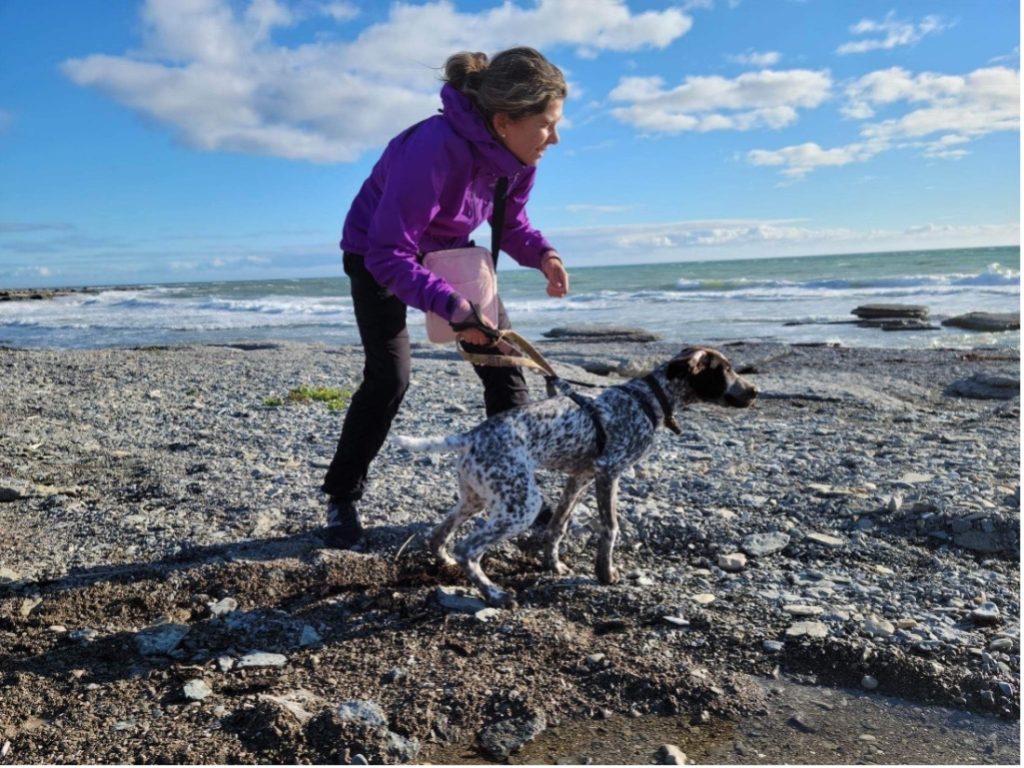
Human interactions with animals are ubiquitous in our lives: Pets are part of a majority of households in many countries and recognized by their owners as integral members of the family. Animals feed and clothe us, they work with us (e.g., guide dogs, scent detection dogs), and they substitute for us in medical and psychological experiments. Animals entertain us and they are present in arts, leisure, and in the socialization of children. Animals have accompanied humans for thousands of years, forging a strong interdependence between humans and other animal species. Furthermore, the need to preserve biodiversity and to protect threatened animal species and the ecosystems that support them has now become essential to ensure a sustainable future. In this context, the specific place that humans occupy within nature and the animal kingdom more broadly is currently being questioned. It is therefore essential to fully understand human-animal relationships, as well as the impact of these relationships on the physical and psychological well-being of humans and animals.
Objectives
Our research seeks to identify the social and psychological factors that influence human-animal relations. Our work also aims to discover the strategies that allow a balanced integration of animals within our human lives, and that simultaneously promote human and animal well-being.
Our group focuses on the following three axes of research :
- The role of pets in predicting psychological well-being and health
- Collective and social belonging processes that operate in human-animal relations
- Health, environmental, and moral issues involved in human-animal relations
Projects



Funding partners


Collaboration on other projects
- The psychology of gridlock: Compromise, coalitions, and radicalisation
- Researchers: Winnifred R. Louis, Matthew J. Hornsey, Kelly Fielding, Emma F. Thomas, Catherine E. Amiot, Fathali Moghaddam
- Australian Research Council (ARC), Discovery Grant
- Researchers: Winnifred R. Louis, Matthew J. Hornsey, Kelly Fielding, Emma F. Thomas, Catherine E. Amiot, Fathali Moghaddam
- Practitioners learning palliative killing: The role of norms and empathy
- Researchers: Louis, W.R., Thomas, E.F., Crane, M.F., Molenberghs, P., Decety, J., & Amiot, C.E.
- How do conventional and confrontational animal advocacy campaigns influence personal and political mobilization?
- Researchers: Emma F. Thomas, Catherine E. Amiot, Jean Decety, Monique Crane, Pascal Molenberghs, Winnifred R. Louis
- Animal Charity Evaluators Fund
- Researchers: Emma F. Thomas, Catherine E. Amiot, Jean Decety, Monique Crane, Pascal Molenberghs, Winnifred R. Louis
- Outcomes of collective action: After the blockade, what next?
- Researchers: Winnifred R. Louis, Emma Thomas, Craig McGarty, Catherine E. Amiot, Fathali Moghaddam
- Australian Research Council (ARC), Discovery Grant
- Researchers: Winnifred R. Louis, Emma Thomas, Craig McGarty, Catherine E. Amiot, Fathali Moghaddam